
At Signature Dental Studio, Dr. Paul J. Martin and our team know that “oral surgery” can sound intimidating. But when a tooth is severely damaged, impacted, or beyond saving, a surgical approach is often the most effective way to protect your long-term health. Our in-office procedures are gentle, carefully planned, and designed to keep even complex treatment manageable from start to finish. Before we schedule anything, you’ll get a thorough exam, honest answers, and a clear plan.
Oral Surgery
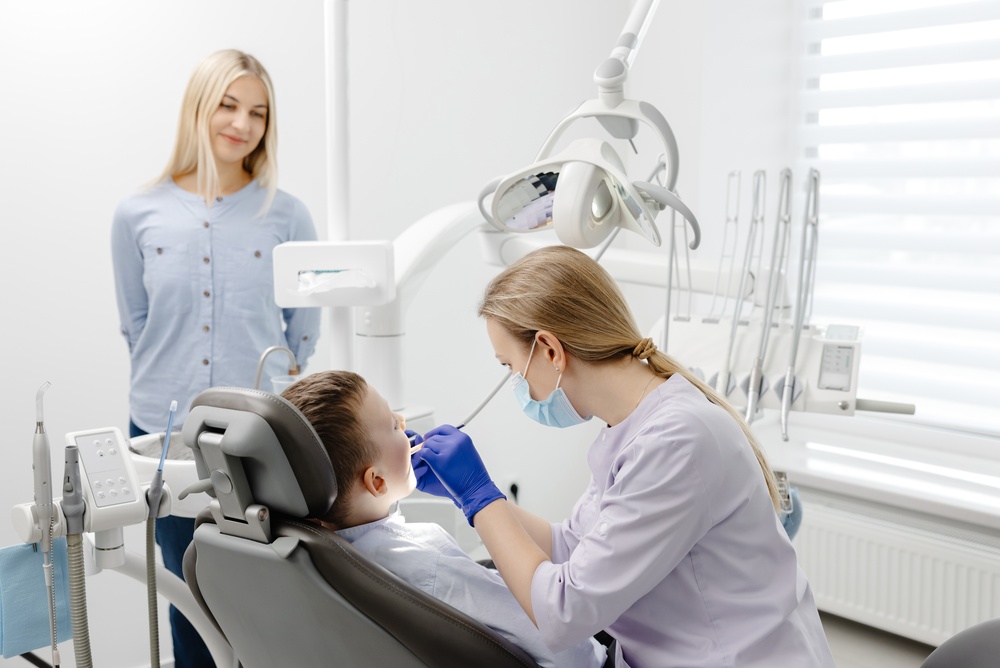
Understanding Oral Surgery
Most people don’t think about oral surgery until they need it. A tooth that has hurt for months, a wisdom tooth that never fully came in, or an infection that keeps coming back are problems routine dental care can’t always fix. Surgery comes into play when the issue runs deeper than a filling, crown, or cleaning can reach.
The procedures vary widely in complexity. Some are straightforward, like a single extraction that takes less than an hour. Others call for more detailed planning, especially when the goal is to remove a problem and then restore what was lost. Every procedure has one goal: stop damage, relieve pressure, clear infection, or prepare your mouth to work well for years to come.
Benefits of Oral Surgery
Eliminates the Source of Pain Rather Than Masking It
Persistent tooth pain, swelling, and pressure from impacted or infected teeth don’t go away on their own. Oral surgery targets the cause, whether that’s a wisdom tooth pressing against its neighbor or an infected root that can’t be saved. Once the source is gone, many patients notice relief quickly, though some soreness during healing is normal. That’s a very different outcome from living with symptoms that keep coming back.
Stops Damage Before It Spreads to Healthy Teeth
A compromised tooth rarely stays an isolated problem. Decay and infection can move into the surrounding bone and neighboring teeth faster than most people expect. Stepping in at the right time keeps the damage contained and protects more of your natural smile. Waiting often leads to a bigger procedure later, so acting early can save you time, discomfort, and healthy teeth.
Creates the Right Foundation for Tooth Replacement
Implants and other restorations need a clean, well-prepared site to last. Extractions, bone preservation, and other surgical procedures do the groundwork that makes those restorations possible. Rushing past this step puts the success of any future restoration at risk, which is why we plan the whole sequence before we begin.
Reduces the Risk of Systemic Health Complications
Infections in the mouth don’t always stay there. Bacteria from an untreated abscess or severely infected tooth can enter the bloodstream and contribute to broader health problems over time. Treating the problem surgically reduces that risk, which is why dentists treat infected teeth instead of just managing symptoms.
Improves Daily Function in Ways That Are Easy to Overlook
Chewing on one side to avoid a problem tooth, skipping certain foods, or waking up with jaw discomfort can become such a routine that you stop noticing. Afterward, many people are surprised by how much easier it is to eat, speak, and get through a normal day without working around a problem they had accepted as permanent.
From Your First Visit to Full Recovery: Our Oral Surgery Process

Why Choose Us
Good surgical care depends on careful planning, skilled execution, and a team that knows you. Dr. Martin has been treating San Diego patients since 2014, and his approach hasn’t changed. He doesn’t take shortcuts, recommend procedures you don’t need, or pressure anyone into a decision. If surgery is recommended, it’s because it’s the right call for your health.
We use cone beam CT (CBCT) imaging for surgical planning. These detailed 3D scans give us a far more accurate picture of your tooth roots, bone structure, and surrounding anatomy than traditional X-rays alone. That level of detail matters when we’re removing a tooth or preparing a site for an implant. Better imaging means fewer surprises during the procedure and a more predictable recovery for you.
Signature Dental Studio is a Black-owned, LGBTQ+ affirming practice where every patient is treated with the same respect and honesty, regardless of background or past experience with dental care. We take our time, listen, and make sure you’re informed and comfortable before we begin.
When Oral Surgery Is the Answer, the Right Team Changes Everything
This is a decision worth getting right the first time. Careful planning paired with attentive aftercare leads to smoother recoveries and longer-lasting results. Dr. Martin and the team at Signature Dental Studio bring that standard to every patient, and the reviews back it up.
Before your visit, see what current and former patients are saying on Google and Yelp. Their experiences will give you an honest picture of what to expect. Use Google Maps to get directions to our practice in Hillcrest, where there’s plenty of free parking right outside. Patients also share their stories on Facebook, and it’s worth a look before your first appointment to get a sense of our practice and the people behind it. To schedule your consultation, call our team directly at 619.295.1512.
FAQs
What is oral surgery?
This covers a range of procedures that treat dental and jaw conditions routine care can’t resolve on its own. These include tooth extractions, impacted wisdom tooth removal, treatment of infections or cysts, and preparation for dental implants. Most procedures are done in a dental office under local anesthesia, and sedation is available for patients who want extra comfort.
What to eat after oral surgery with stitches?
For the first few days, stick to soft foods that don’t need much chewing, such as yogurt, mashed potatoes, scrambled eggs, applesauce, and broth. Hard, crunchy, or spicy foods can irritate the site and slow healing, so skip them until your dentist clears you. Avoid small seeds and grains that can get caught near your stitches, and ask us whether yours dissolve on their own or need to be removed. Temperature matters too. Very hot foods and drinks can increase swelling, so lukewarm or cool options are better early on.
Can you have oral surgery after heart surgery?
It depends on your cardiac history, your medications, and how recently your heart surgery took place. Blood thinners and other heart medications can affect bleeding during and after a dental procedure, so coordination between your cardiologist and dentist is essential. We’ll review your medical history and work directly with your physician to determine the safest timing and approach.
How long does oral surgery take?
Most straightforward extractions take under an hour. More complex cases, such as impacted wisdom teeth or multiple extractions, can take longer. The type of anesthesia or sedation also affects how much time you’ll spend with us. At your consultation, we’ll give you a realistic time estimate so you can plan the rest of your day.
How much does oral surgery cost without insurance?
Cost depends on the complexity of the procedure, the number of teeth involved, and whether sedation is part of your plan. A basic extraction generally costs less than removing an impacted tooth, which takes more time and technique. At your consultation, we’ll give you a clear, itemized estimate so you know what to expect before you commit to anything. You’re also welcome to ask our team about payment options.
Can you drink water before oral surgery?
It depends on the type of anesthesia or sedation. If you’re having IV sedation or general anesthesia, you’ll typically need to avoid all food and liquids, including water, for several hours beforehand. Procedures with local anesthesia only usually have no water restriction. Since guidelines vary by plan, confirm your pre-op instructions with our team when you schedule.